Sheikh Gumi Biography: Children, Son, Tribe, State of Origin, Education
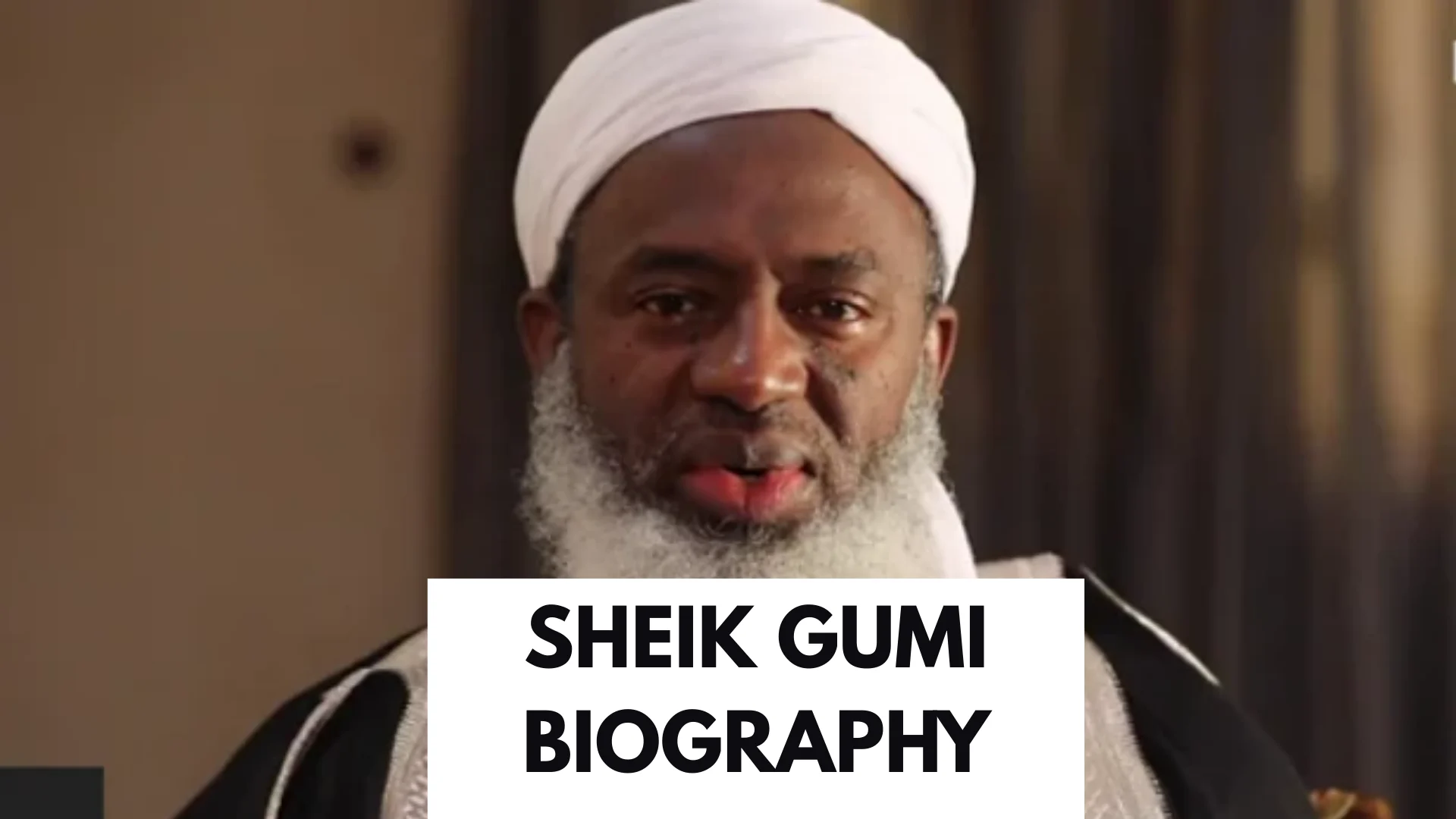
Sheikh Ahmad Abubakar Gumi is one of Nigeria’s most talked-about Islamic scholars — a medical doctor, former army officer, and an outspoken cleric who has repeatedly stepped into the country’s security crisis by negotiating with armed bandits.
His unique profile — medicine, military service and traditional Islamic scholarship — has made him a polarizing figure: hailed by some as a pragmatic peace-builder, criticized by others for engaging with criminals.
Early life and family background
Ahmad Gumi was born into a prominent religious family. He is the eldest son of the late Sheikh Abubakar Gumi, a major Islamic reformer in Northern Nigeria. His birthplace is recorded as Kano state, and he grew up in an environment steeped in Qur’anic scholarship and public religious leadership — a lineage that shaped his later career as a mufti and mufassir.
Education and medical career
Gumi’s educational background is notable for combining secular and religious disciplines. He attended Sardauna Memorial College and later studied medicine at Ahmadu Bello University. After medical school he served in the Nigerian Army Medical Corps and retired with the rank of captain. Following his military service he traveled to Saudi Arabia for advanced Islamic studies at Umm al-Qura University, where he deepened his knowledge in tafsir and fiqh. This mix of medical training, military discipline and Islamic learning informs his public approach: pragmatic, direct, and often willing to operate outside typical clerical boundaries.
Religious role and public platform
Back in Kaduna, Gumi became the Mufti and Mufassir at the Sultan Bello Central Mosque — a key religious post that gives him considerable influence in northern religious circles. He is known for public tafsir sessions, radio and TV interviews, and for engaging directly with political and security questions — an unusual stance for many clerics who avoid involvement in hard security topics. His voice is often carried across both Hausa and English media and on social platforms.
Engagement with bandits: mediation and controversy
Perhaps the most consequential and controversial chapter of Gumi’s public life has been his work in negotiating with bandits in northwest Nigeria. From around 2019 onwards, Gumi made multiple trips into forests and camps where bandits operate, attempting to persuade them to lay down arms, release abducted victims, and accept reintegration into society. He has argued that many perpetrators are ordinary people driven by poverty and grievances, and that dialogue is necessary alongside security measures.
This approach has drawn sharp criticism from some quarters. Critics accuse him of offering moral cover to criminals, negotiating under the radar, or normalizing ransom economies. Supporters say his contacts have produced surrenders and intel that saved lives. The debate around Gumi illustrates the moral and policy dilemmas Nigeria faces: arrests and military operations alone have not ended abductions, but negotiating with violent actors raises legal and ethical risks.
Recent developments and international issues
Gumi’s interventions have also had diplomatic consequences. In 2025 Saudi authorities reportedly denied him access to perform Hajj and deported him after initially issuing a visa — a development he publicly addressed and which highlights how his activism can provoke international reactions beyond Nigeria.
Style of advocacy: faith, psychology, and negotiation
Gumi combines Qur’anic exhortation, psychological appeals, and pragmatic incentives in his approach. He often emphasizes repentance, the moral consequences of violence in Islam, and the human side of perpetrators (wives, children, parents) as part of a strategy to humanize perpetrators and open channels to surrender. He has also spoken publicly about the need for governments to address root causes — poverty, unemployment, and weak governance — alongside security responses.
Criticisms, legal risk, and public safety concerns
Opponents of Gumi’s methods make three major critiques:
- Legitimacy: Negotiating with criminals can legitimize their tactics and incentivize more kidnappings.
- Due process: Private negotiations may bypass law enforcement and deny victims the public justice they seek.
- Security risks: Direct contact with armed groups can endanger intermediaries and may be exploited by extremists.
Gumi has responded to critics by saying his actions aim to prevent loss of life and that he acts with moral urgency where official responses have lagged. Public debates continue about whether negotiated settlement and reintegration strategies should be formalized, regulated, or rejected.
Impact and legacy
The full impact of Gumi’s interventions will be judged over years. He has undoubtedly brought national attention to the possibility of non-military responses to banditry and kidnappings; he has also forced a national conversation about the balance between justice and pragmatism in crisis response. Whether Gumi will be remembered primarily as a peacemaker or as a controversial figure who overstepped boundaries depends on future outcomes — whether negotiated surrenders lead to lasting peace and whether the state develops robust, transparent reintegration frameworks.
Frequently Asked Questions (FAQs)
Who is Sheikh Ahmad Gumi?
Sheikh Ahmad Abubakar Gumi is a Nigerian Islamic scholar, medical doctor, and former army captain who serves as Mufti at the Sultan Bello Central Mosque.
Why is he in the news?
He has been in the spotlight for negotiating with bandits in northwest Nigeria, advocating dialogue and reintegration, and for controversies arising from those engagements — including international incidents like the Saudi Hajj denial in 2025.
Has he succeeded in persuading bandits to surrender?
There are reports of surrenders and releases tied to negotiations and local deals; supporters cite these as successes while critics question verification and long-term impact.
Is negotiating with bandits legal or ethical?
Legality depends on national laws and whether negotiations involve ransom or illegal deals. Ethically, opinions vary: some prioritize saving lives now, others prioritize justice and deterrence.
What can the government do to complement dialogue?
Analysts recommend pairing any credible dialogue with programs for socioeconomic development, transparent reintegration, legal accountability where appropriate, and stronger community policing to prevent relapse.
Conclusion
Sheikh Ahmad Gumi is a complex, consequential figure — a bridge between traditional religious leadership, modern professional expertise, and frontline conflict engagement. His willingness to step into Nigeria’s security crises and negotiate with armed groups has earned both praise and condemnation. For policymakers, civil society and citizens, the central question remains practical: can dialogue and reintegration be designed in ways that save lives, maintain justice, and reduce incentives for crime? Gumi’s work forces Nigeria to confront that hard question — and the answer will shape the nation’s security and moral politics for years to come.

Dereleen James Biography: Husband, Wikipedia, Age, Net Worth, Son, Politics

John Mahama Biography: Politics, Wife, Education, Tribe, Net Worth, Age

Beryl Achieng Odinga Biography: Politics, Age, Net Worth, Husband, Tribe
About The Author
