Narendra Modi Biography: Wikipedia, Net Worth, Age, Wife, Children, Religion
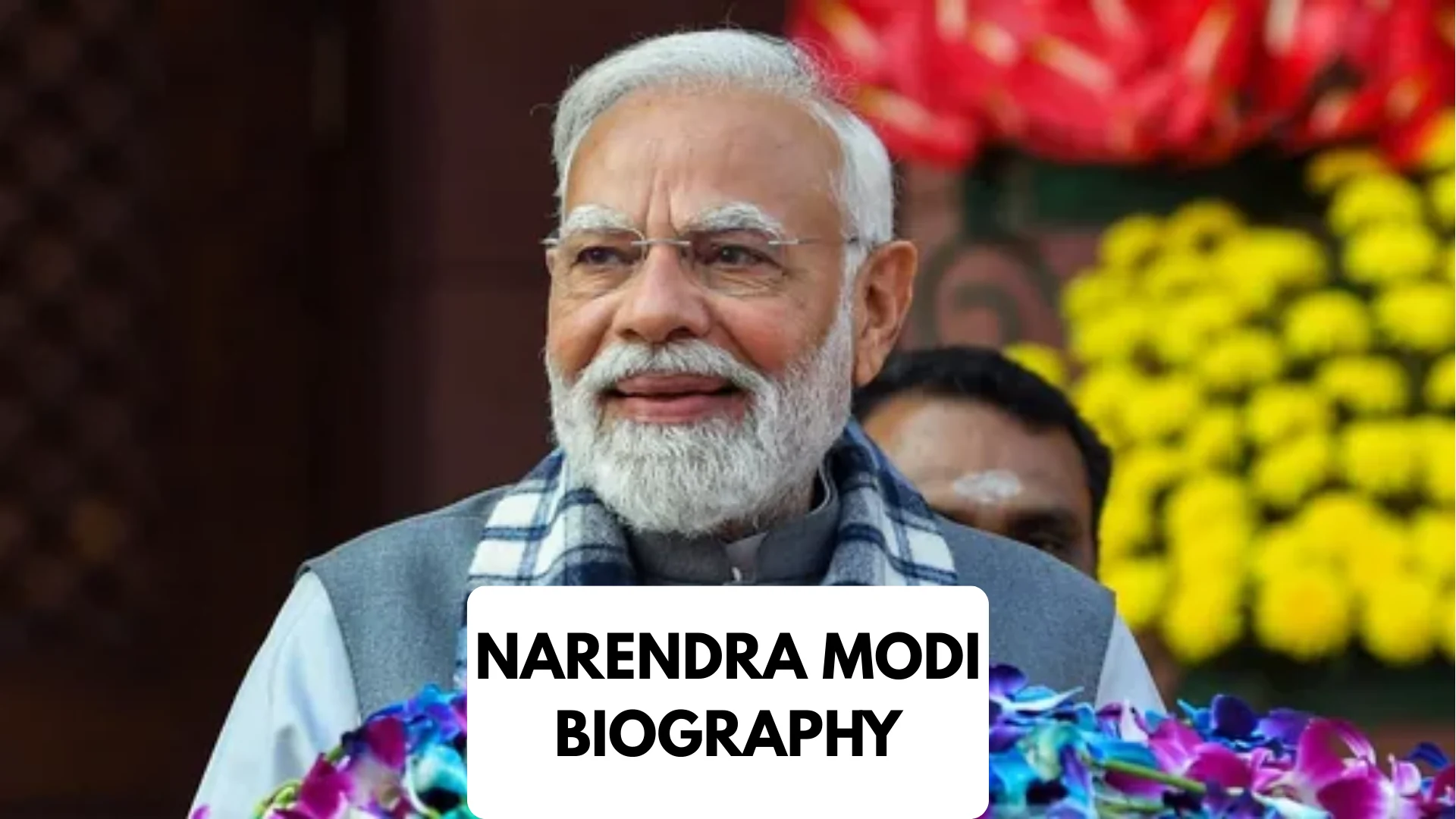
Narendra Damodardas Modi is one of the most consequential political leaders in 21st-century India. Rising from humble origins in the small town of Vadnagar, Gujarat, Modi has served as Chief Minister of Gujarat (2001–2014) and as India’s Prime Minister since 2014 — winning a third consecutive term in 2024. His tenure has reshaped India’s domestic policy, economic reforms, and global diplomacy, while also drawing intense debate over civil liberties and communal politics. Sources: PM Office, Britannica.
Early life and background
Narendra Modi was born on 17 September 1950 in Vadnagar, a small town in Gujarat. He was the third of six children in a family that ran a tea stall; Modi has often referenced these early years as formative to his work ethic and public persona. His early life included involvement with the Rashtriya Swayamsevak Sangh (RSS) during his youth, which later influenced his political path into the Bharatiya Janata Party (BJP). Sources: PM Office, Britannica.
Political rise — from RSS worker to BJP leader
Modi’s political career began with organizational work in the RSS and then the BJP. He rose through party ranks in Gujarat, eventually becoming the Chief Minister in 2001. Over the next decade-plus he consolidated power in the state through a mix of economic growth narratives and strong administrative messaging, which helped project him onto the national stage. Source: Britannica.
Chief Minister of Gujarat (2001–2014)
As Chief Minister, Modi prioritized infrastructure, industry, and a pro-investment stance that supporters credit with accelerating Gujarat’s economic growth. His tenure was also marked by controversy, notably the 2002 communal riots in Gujarat — a deeply polarizing episode that continues to influence his national image. The years as Gujarat’s leader were pivotal in building the governance narrative he later used in national campaigns. Source: Britannica.
Becoming Prime Minister (2014) and subsequent terms
In 2014 Modi led the BJP to a decisive national victory and was sworn in as Prime Minister, promising development, good governance, and a decisive leadership style. He won re-election in 2019 and again secured a third term in 2024, reinforcing his dominant role in Indian politics and marking him as one of the country’s longest-serving post-independence leaders. His third swearing-in took place on 9 June 2024. Sources: PM Office, AP News.
Major policy initiatives
Swachh Bharat Mission (Clean India)
Launched on 2 October 2014, the Swachh Bharat Mission aimed to improve sanitation and eliminate open defecation through massive toilet construction and behavioral campaigns across urban and rural India. The initiative became a visible centerpiece of Modi’s domestic agenda. Source: PM Office / Swachh Bharat Mission documents.
Goods and Services Tax (GST)
A major tax reform, the GST unified multiple indirect taxes into a single, nationwide indirect tax and was rolled out on 1 July 2017 — a landmark economic reform aimed at simplifying the tax system and improving the ease of doing business. Source: PIB / Government releases.
Demonetisation (2016)
On 8 November 2016, the Modi government announced the demonetisation of ₹500 and ₹1,000 banknotes in an effort to curb the shadow economy, counterfeit currency, and illicit funding. The move caused immediate cash shortages and controversy about its long-term economic impact. Source: Government announcements / contemporary reporting.
Digital India, Make in India, and economic diplomacy
Programs like Digital India and Make in India sought to boost digital infrastructure, manufacturing, and foreign investment, while Modi’s foreign policy placed emphasis on high-profile diplomacy, investment outreach, and raising India’s global profile. Source: Government platforms and policy briefings.
Governance style and public image
Modi’s governance is characterized by centralized decision-making, charismatic public communication (including the radio program “Mann Ki Baat”), and a media-savvy approach to leadership. He is often portrayed as a no-nonsense reformer by supporters and criticized by opponents for tendencies toward majoritarian politics and constraints on dissent. Source: media analysis / Britannica.
Controversies and criticisms
Modi’s career has been shadowed by controversies including the 2002 Gujarat riots, allegations of intolerance against minority communities, concerns about press freedom, and debates over the socio-economic consequences of major decisions such as demonetisation. Internationally and domestically, these issues have generated sustained scrutiny and debate. Sources: Britannica, reporting on policy impacts.
Electoral politics and coalition-building
Although the BJP under Modi won large majorities in 2014 and 2019, the 2024 election required greater coalition-building for a stable government. Modi’s ability to mobilize voters, run disciplined campaigns, and form alliances remains a central facet of his continued political dominance. Source: AP News (2024 election coverage).
Legacy and long-term impact
Modi’s legacy will likely be judged by the durability of economic reforms (like GST), infrastructure and sanitation improvements, India’s elevated global profile, and whether democratic institutions and social cohesion weather the political shifts of his tenure. His time in office will be a major chapter in modern Indian history. Sources: PIB, PM Office, Britannica.
Frequently Asked Questions (FAQs)
When was Narendra Modi born?
— 17 September 1950. Source: PM Office / Britannica.
How many terms has Modi served as Prime Minister?
— He was elected in 2014, re-elected in 2019, and sworn in for a third term in 2024. Source: PM Office / AP News.
What was the purpose of demonetisation in 2016?
— To curb the shadow economy, counterfeit currency and push digital transactions; its effectiveness is debated. Source: Government statement / reporting.
What is the Swachh Bharat Mission?
— A nationwide sanitation and cleanliness campaign launched in October 2014. Source: PM Office / Swachh Bharat materials.
What is GST and when was it implemented?
— A unified indirect tax implemented on 1 July 2017. Source: PIB / Government releases.
Conclusion
Narendra Modi’s journey from a small-town upbringing to the highest office in India is remarkable and multifaceted. His policy agenda — including sanitation drives, tax reform, and infrastructure push — transformed public discourse and governance priorities. Simultaneously, controversies, policy shocks, and debates about pluralism and civil liberties ensure his time in office will be studied and contested for decades. Whether viewed as a transformative reformer or a polarizing figure, Modi’s imprint on modern India is undeniable. Sources: PM Office, PIB, Britannica, contemporary reporting.
Benjamin Netanyahu Biography: Education, Religion, Age, Net Worth, Wikipedia
William Ruto Biography: Politics, Tribe, Parents, Education, Wife, Age & Net Worth 2025

Dada Morero Biography: Career, Tribe, Net Worth, Politics
About The Author
