Thoko Didiza Biography: Husband, Tribe, Children, Education, Wikipedia
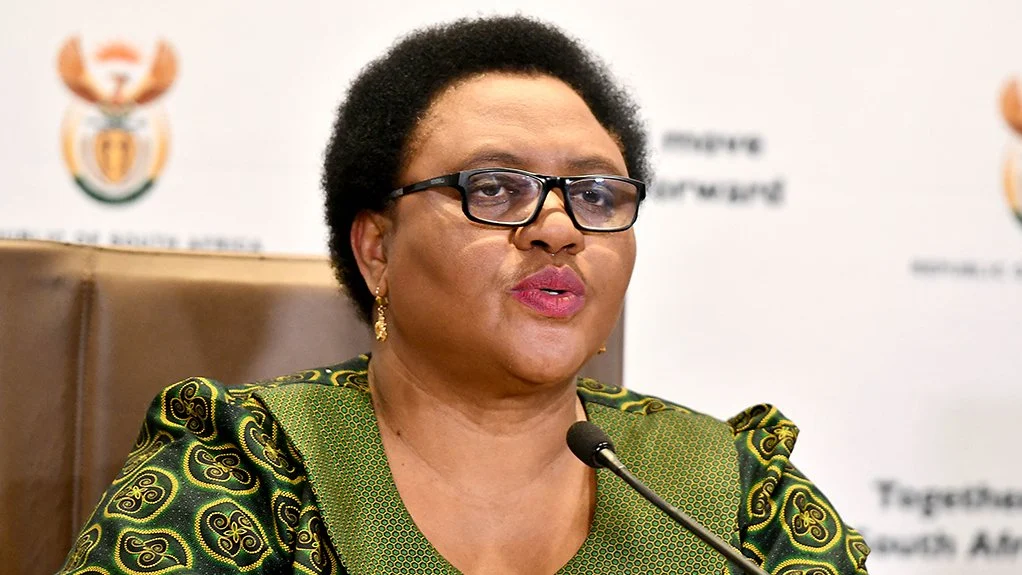
Angela Thokozile “Thoko” Didiza is one of South Africa’s most seasoned politicians. Rising from grassroots activism during the final years of apartheid to holding several senior cabinet posts and, most recently, the Speaker’s chair in the National Assembly, Didiza’s career spans activism, policy-making, and public service across three decades.
Early life and activism
Thoko Didiza was born in 1965 in Durban and grew up in a family with rural farming roots that shaped her early understanding of agriculture and community life. She became politically active through church-based and women’s organisations during the 1980s, including work with the South African Council of Churches and the YWCA. Her anti-apartheid activism and leadership in women’s movements led to national prominence ahead of South Africa’s first democratic elections.
Entry into democratic politics (1994)
Didiza entered Parliament in 1994 as part of the first democratically elected National Assembly and was appointed Deputy Minister of Agriculture in Nelson Mandela’s Government of National Unity — at the time one of the youngest deputy ministers in the Cabinet. Her early government work focused on making agricultural support more inclusive for previously disadvantaged communities.
Rising through the cabinet: agriculture, land affairs, public works
Under President Thabo Mbeki, Didiza was promoted and served in senior cabinet positions. She served as Minister of Agriculture and Land Affairs from 1999 to 2006, where she focused on land reform policy and farmer support programs. Later, she served as Minister of Public Works (2006–2008). During these years she became associated with major policy conversations on land restitution and the state’s expropriation powers.
Hiatus and return to frontline politics (2008–2014)
Following her resignation from the cabinet in 2008 amid broader political shifts, Didiza spent several years away from frontline politics. She returned to public life in different capacities, including academic and civil society engagements, and staged a political comeback by returning to Parliament in 2014 where she served as one of the National Assembly’s House Chairpersons.
Minister of Agriculture, Land Reform and Rural Development (2019–2024)
In 2019, President Cyril Ramaphosa appointed Didiza as Minister of Agriculture, Land Reform and Rural Development — a reunited portfolio aimed at coordinating agricultural policy with land restitution and rural development goals. Her tenure focused on merging departments, managing animal disease outbreaks, and steering land reform debates, while also representing South Africa in continental forums on agriculture and rural development.
Speaker of the National Assembly (2024–Present)
In June 2024 Thoko Didiza was elected Speaker of the National Assembly, a role that places her at the center of Parliament’s procedural oversight and in charge of presiding over debates and key national events. Her appointment as Speaker marks a transition from ministerial office to a parliamentary presiding role during a politically complex period for South Africa.
Education and personal life
Didiza completed further studies after entering public life, including degrees from the University of South Africa and a master’s qualification from the University of Melbourne. She is known for balancing family life with public service; she made history by giving birth while serving in cabinet. Outside politics, Didiza has been involved with civic organisations and initiatives focused on leadership and development.
Key achievements and impact
- Land and agriculture reform leadership: Led major policy discussions on transforming access to land and supporting new entrants to agriculture.
- Continental engagement: Chaired or represented South Africa in African Union and other continental agricultural forums.
- Parliamentary stewardship: As Speaker, she oversees legislative process and upholds parliamentary norms during periods of coalition tensions and national debates.
Controversies and criticisms
Like many long-serving politicians, Didiza has faced critiques over government responses and policy choices — examples include questions about timeliness in responding to animal disease outbreaks and debates over expropriation policy frameworks during her tenure. Critics and supporters alike note that such controversies reflect the complexity of implementing land reform in a democratic, market-driven economy.
Legacy and public image
Thoko Didiza’s public image is that of a pragmatic, steady figure who has navigated shifting political currents while maintaining a focus on rural livelihoods and institutional roles. Having served in both executive and legislative leadership positions, her career is frequently used as a lens on South Africa’s long-term debates about land, agriculture, and inclusive development.
FAQs (Frequently Asked Questions)
When was Thoko Didiza born?
Thoko Didiza was born in 1965.
What positions has Thoko Didiza held?
She has served as Deputy Minister of Agriculture (1994–1999), Minister of Agriculture and Land Affairs (1999–2006), Minister of Public Works (2006–2008), Minister of Agriculture, Land Reform and Rural Development (2019–2024), and was elected Speaker of the National Assembly in June 2024.
What is Didiza known for in land reform?
Didiza is known for engaging in debates around land restitution and reform, including arguing that market-based approaches can obstruct restitution — and for shepherding policy discussions around expropriation and the “willing buyer, willing seller” model’s limits.
Has Thoko Didiza represented South Africa internationally?
Yes. She has represented South Africa in continental agricultural fora and was elected to chair an AU technical committee related to agriculture and rural development.
Where can I find official information about her role as Speaker?
The Parliament of South Africa’s official website lists her profile and responsibilities as a sitting Member and Speaker.
Conclusion
Thoko Didiza’s political journey — from church-based activism to ministerial leadership and now the Speakership — reflects the arc of South Africa’s post-apartheid governance challenges: land reform, agricultural transformation, and the task of balancing competing public interests. Whether judged for policy outcomes or longevity in public life, Didiza remains a central figure in contemporary South African politics whose decisions continue to shape national debate on land, food security, and parliamentary governance.

Dereleen James Biography: Husband, Wikipedia, Age, Net Worth, Son, Politics

Sheikh Gumi Biography: Children, Son, Tribe, State of Origin, Education
Martin Kpebu Biography: Parents, Wife, Tribe, Children, Education
About The Author
