Dallin H. Oaks Biography: Age, Net Worth, Education, Wife, Children, Career
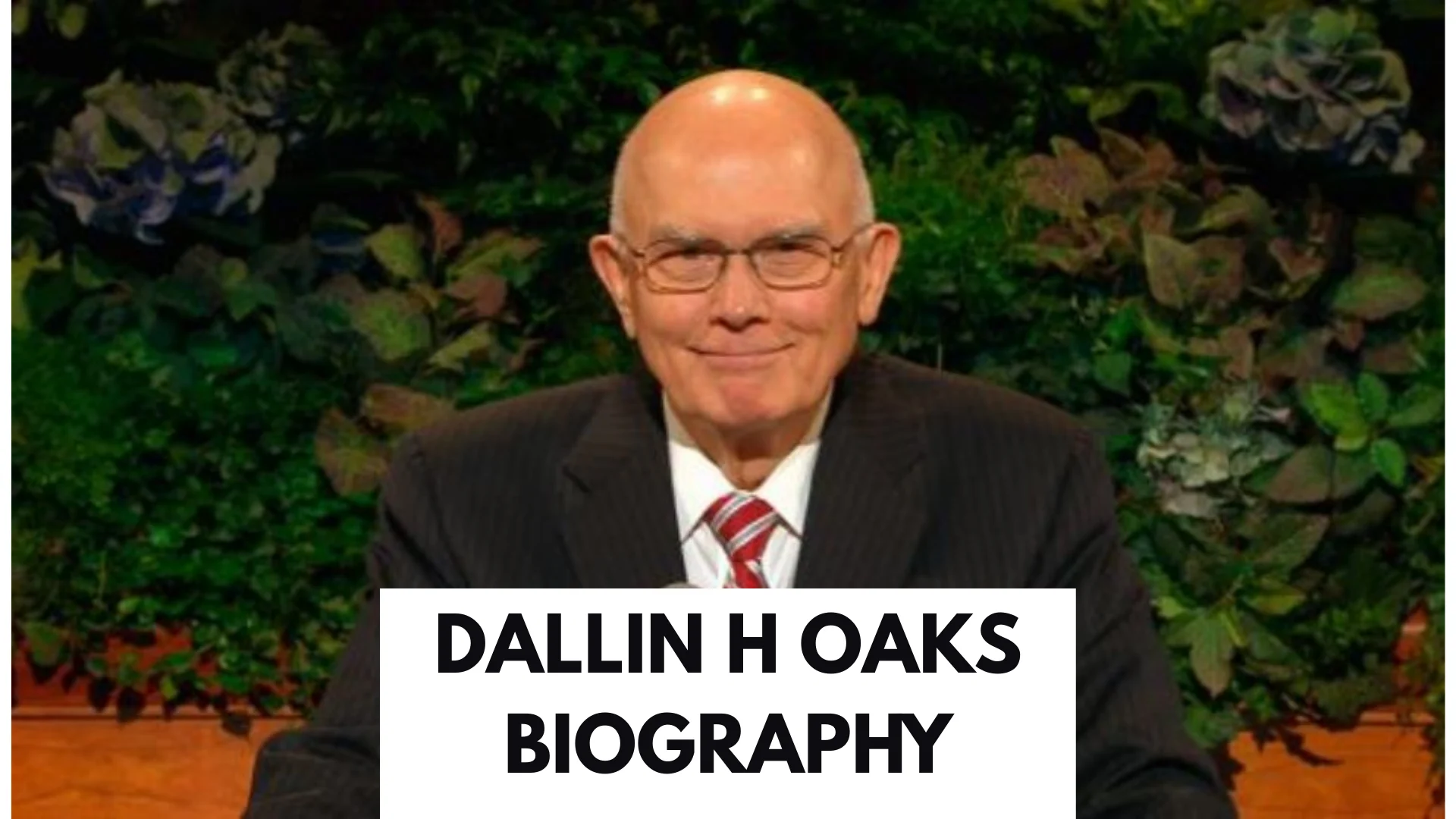
Dallin Harris Oaks is an American jurist, educator, and religious leader whose career spans law, higher education, and decades of service in The Church of Jesus Christ of Latter-day Saints (LDS Church).
Known for measured legal reasoning, a long record of church talks and writings, and high-profile roles in both civic and religious institutions, Oaks’s life tells a story of public service, faith, and intellectual engagement.
Early life and family
Dallin H. Oaks was born on August 12, 1932, in Provo, Utah. He grew up in Utah and Idaho and experienced personal hardship early when his father died while Oaks was a young child. His upbringing in a devout Latter-day Saint family shaped his lifelong faith and service.
Oaks married June Dixon in 1952; they had six children before her death in 1998. In 2000, Oaks married Kristen McMain. His family connections include children active in academia and the arts.
Education and early legal career
Oaks attended Brigham Young University (BYU), graduating with a degree in accounting in 1954. He then studied law at the University of Chicago Law School, where he graduated in 1957 and served as editor-in-chief of the University of Chicago Law Review. After law school, he clerked for U.S. Supreme Court Chief Justice Earl Warren and then joined the Chicago firm Kirkland & Ellis.
Academic leadership: BYU presidency
In 1971 Oaks became BYU’s president, a role he held through 1980. During his tenure he focused on institutional development (including organizing new professional schools), academic standards, and navigating the relationship between church-sponsored higher education and federal law and policy.
Judicial service: Utah Supreme Court
After leaving BYU, Oaks was appointed to the Utah Supreme Court (serving from 1980 to 1984). His judicial tenure further solidified Oaks’s reputation as a careful legal thinker. He was also considered on lists of potential nominees to the U.S. Supreme Court during the 1970s and early 1980s.
Church leadership and apostolic ministry
In 1984 Oaks was called to the Quorum of the Twelve Apostles. In that role he became a frequent speaker, doctrinal teacher, and administrator, focusing on topics such as religious freedom, family, moral values, and civil discourse. Over decades he wrote and spoke extensively on law, faith, and society.
First Presidency and recent church leadership transition
Oaks served as First Counselor in the First Presidency beginning in 2018. Following the death of Russell M. Nelson in 2025, Oaks — by longstanding church succession practice as the longest-serving apostle — was appointed President of The Church of Jesus Christ of Latter-day Saints.
Writings, speeches, and public themes
Oaks is known for detailed, carefully reasoned addresses combining legal clarity and religious conviction. Recurring themes in his public messages include the importance of religious freedom, the role of families and marriage in society, and the need for civil discourse in polarized times.
Honors and recognition
Across his career Oaks received multiple honors: awards from scouting organizations, honorary degrees, and legal recognitions from bar associations and religious-liberty organizations.
Personal style and legacy
Observers often describe Oaks as intellectually rigorous, reserved but warm in private, and consistently focused on principles he believes essential to both civic life and faith communities. Biographers have noted a temperament that balances a scholar’s precision with a pastor’s care.
FAQs
When and where was Dallin H. Oaks born?
He was born on August 12, 1932, in Provo, Utah.
What major leadership roles has Oaks held?
Key roles include president of BYU (1971–1980), justice of the Utah Supreme Court (1980–1984), member of the Quorum of the Twelve Apostles (from 1984), First Counselor in the First Presidency (from 2018), and President of the Church (after 2025).
What is Oaks’s educational background?
He earned an accounting degree at BYU (1954) and a J.D. from the University of Chicago Law School (1957), where he was editor-in-chief of the law review.
Did Oaks ever serve in the U.S. Supreme Court?
He clerked for Chief Justice Earl Warren but was not a Supreme Court Justice. He was, however, considered for potential nomination in earlier decades.
What are common topics in Oaks’s speeches?
Religious freedom, family and marriage, moral responsibilities, and civil discourse are frequent emphases.
Conclusion
Dallin H. Oaks’s life is a study in sustained public service across law, education, and religious leadership. From a BYU campus administrator and Utah jurist to a senior ecclesiastical leader whose pronouncements shape millions worldwide, Oaks has blended scholarly rigor and faith-based conviction. His long record offers a clear throughline: a commitment to principles — legal, moral, and spiritual — that have guided his public life for more than half a century.

Jennifer Aniston Biography: Wikipedia, Career, Husband, Net Worth, Age

Andrew Kabuura Biography: Education, Family, Net Worth, Age, Career

Thanuja Puttaswamy Biography: TV Show, Age & Net Worth, Boyfriend, Family
About The Author
