Lieutenant-General Nhlanhla Mkhwanazi Biography: Career, Net Worth, Age, Wife
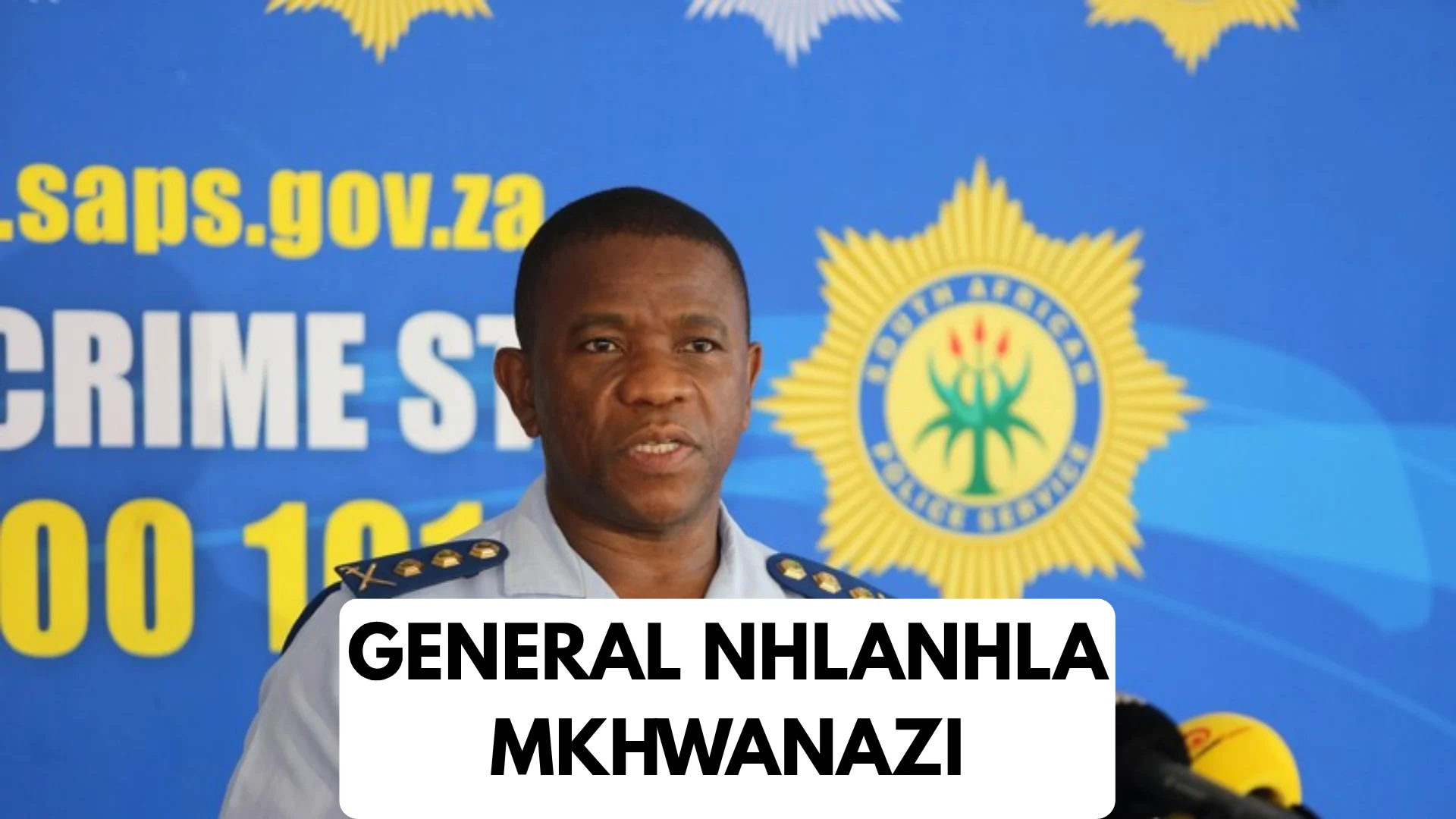
Lieutenant-General Nhlanhla Sibusiso Mkhwanazi (often abbreviated as “Lucky”) is a senior South African police official who rose from Special Task Force operator to become Provincial Commissioner of KwaZulu-Natal and, at times, acting National Commissioner of the South African Police Service (SAPS).
His profile grew markedly in 2025 after he publicly accused senior political and policing figures of collusion with criminal syndicates — allegations that prompted national attention and an official inquiry.
Early life and education
Nhlanhla Mkhwanazi was born in Edendale, a township near Pietermaritzburg in KwaZulu-Natal, on 5 February 1973. He joined the SAPS in the early 1990s and progressed through specialist training, earning national diplomas and degrees related to policing and special operations. His early career included selection for and service in the SAPS Special Task Force — an elite tactical unit with a demanding selection process and operational remit across high-risk interventions.
Career progression — from operator to provincial chief
Mkhwanazi’s trajectory in SAPS followed a pattern familiar to many elite-unit operators who transition into leadership: hands-on field expertise, specialized qualifications, command appointments and eventually senior managerial roles. He held leadership positions within Special Task Force elements before taking on broader operational and administrative responsibilities. Over time he served as a Divisional Commissioner for Specialized Operational Response Services and later as KwaZulu-Natal Provincial Police Commissioner, a role with high operational and political visibility in a province that faces acute crime and security challenges.
Leadership style and public profile
Mkhwanazi is widely described in media and public commentary as an assertive, action-oriented leader — shaped by his special-forces background. He became known for high-profile operations aimed at criminal networks and for publicly criticizing obstacles to effective policing, including alleged political interference. That blend of operational confidence and public outspokenness helped make him a polarizing national figure: hailed by supporters for confronting corruption and criticized by opponents for breaking institutional protocols and for the theatrical nature of some public statements.
The 2025 allegations and national fallout
In July 2025, Mkhwanazi made explosive public claims alleging that top policing officials and at least one cabinet minister were colluding with criminal syndicates, interfering in investigations and disbanding critical units investigating politically motivated killings. His statements included the presentation of what he said were digital communications and operational evidence. The fallout was immediate: public protests, political debate, calls for investigation, and the President announcing a judicial commission of inquiry to examine the claims. Those events forced an intense public conversation about the integrity of key institutions and the reach of organized crime in South Africa.
Official responses and investigations
National authorities responded by initiating inquiries and, in some cases, placing implicated officials on leave while investigations proceeded. The announcement of a judicial commission — a high-level, formal mechanism to examine allegations that could implicate ministers and senior officials — underscored how seriously the accusations were being treated. The commission process, hearings and witness testimony produced further detail, contested claims and competing narratives, with legal and political ramifications for many involved.
Controversies, criticism and support
Mkhwanazi’s public style — including a widely noted press briefing in tactical uniform flanked by armed officers — drew both praise for audacity and criticism for breaching conventional norms. Critics argued the approach risked politicizing the police and undermining civilian oversight; supporters countered that dramatic action was needed to expose entrenched corruption. As the judicial processes unfolded, additional testimony and allegations emerged that sometimes reinforced and sometimes challenged Mkhwanazi’s initial claims, demonstrating the complexity of high-stakes institutional inquiries.
Personal life and public image
Publicly available biographical summaries indicate that Mkhwanazi is married and has children; beyond this, he has generally kept his private life relatively out of public view. His public image remains tightly bound to his policing persona: a veteran of elite operations who moved into the glare of national politics. Media coverage has tracked both human interest elements (e.g., family tragedies and service sacrifices) and the professional controversies that have defined his public profile.
Legacy and what’s next
As of the most widely reported accounts from 2025, Mkhwanazi’s allegations triggered formal inquiries and plunged elements of the political-policing establishment into scrutiny. Whether his actions will produce long-term institutional reforms, court cases or political realignments depends on the outcomes of judicial and prosecutorial processes. For many observers, Mkhwanazi represents a test case for accountability mechanisms — and a reminder of how security institutions and politics can interact in high-stakes environments.
Frequently Asked Questions (FAQs)
Q1: Who is Nhlanhla Mkhwanazi?
A: Lieutenant-General Nhlanhla Sibusiso Mkhwanazi is a senior SAPS officer who served as KwaZulu-Natal Provincial Commissioner and has previously acted as National Commissioner. He has a background in the SAPS Special Task Force.
Q2: Why did he make headlines in 2025?
A: He publicly accused senior police and political figures of colluding with criminal syndicates and obstructing investigations — claims that led to the launch of a judicial commission of inquiry.
Q3: Are his claims proven?
A: As with many high-profile accusations, determination of truth requires investigation and due process. Judicial and prosecutorial bodies were convened to examine evidence and testimony; outcomes depend on those processes.
Q4: What is the Special Task Force?
A: The SAPS Special Task Force is an elite tactical unit trained for high-risk operations, including hostage rescue, counter-terrorism and targeted operations against organized crime. Mkhwanazi served in and later commanded within units that draw from this tradition.
Q5: Has Mkhwanazi faced legal action?
A: The immediate public record around 2025 shows investigations, inquiries and contested testimony rather than one definitive legal outcome; developments in courts or commissions should be followed through reputable news and official sources.
Q6: Where can I follow updates?
A: Follow major reputable news agencies (Reuters, AP), South African national press and official SAPS statements for updates on inquiries, hearings and official responses.
Conclusion
Lieutenant-General Nhlanhla Mkhwanazi is a consequential figure in contemporary South African policing — a leader with elite operational roots who moved into the national spotlight after making serious allegations against senior figures.
His career illustrates the tensions that can arise when operational leaders confront institutional politics: the potential for dramatic revelations and the equally real need for careful, independent investigation. Whether judged a whistleblower, a disruptor, or somewhere between, Mkhwanazi’s actions in 2025 forced a national reckoning about policing, corruption and institutional accountability. For readers interested in the evolving story, rely on official documents and respected news outlets as inquiries and legal processes progress.
William Hague Biography: Wikipedia, Net Worth, Education, Age, Wife

Dereleen James Biography: Husband, Wikipedia, Age, Net Worth, Son, Politics
Sheikh Gumi Biography: Children, Son, Tribe, State of Origin, Education
About The Author
