Linus Torvalds Biography: Inventions, Age, Net Worth, Wife, Family, Education, Career
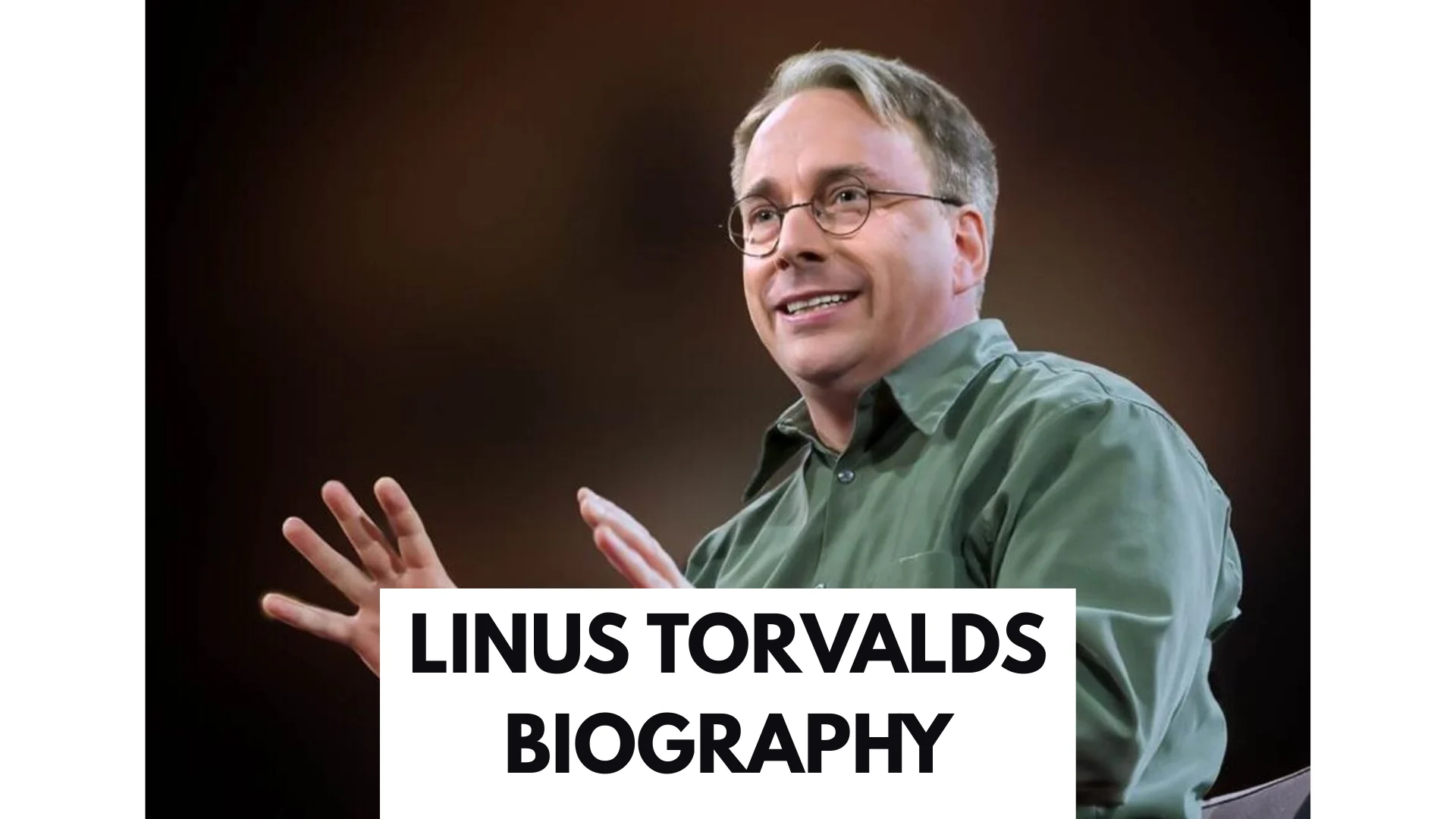
Linus Torvalds is one of the most influential figures in computing history. Best known as the creator of the Linux kernel and the co-creator of Git, Torvalds has reshaped how software is developed, distributed, and collaborated upon worldwide.
His work underpins vast parts of the internet, enterprise computing, mobile devices (through Android), cloud infrastructure, and countless open-source projects. This biography explores his upbringing, technical breakthroughs, leadership style, controversies, and the enduring legacy he built through open source.
Early Life and Education
Linus Benedict Torvalds was born on December 28, 1969, in Helsinki, Finland. He grew up in a family with strong intellectual and academic influences: both of his parents were journalists and translators, and his maternal grandfather, Leo Törnqvist, was a professor of statistics. Young Linus displayed early curiosity for computers and technology. He received his first computer — a Sinclair QL — and later worked with Commodore and other early microcomputers, teaching himself assembly and C programming.
His formal higher education began at the University of Helsinki in 1988, where he studied computer science. While a student, he gained practical experience by using the university’s UNIX servers, which heavily influenced his thinking about operating systems and software design.
The Birth of Linux
The turning point that placed Torvalds into computing history came in 1991. At the time, MINIX — a small educational UNIX-like system — was commonly used for learning about operating systems. Linus, wanting a more functional and open kernel for his own use, began writing code for what would become the Linux kernel. On August 25, 1991, he announced his project on the comp.os.minix newsgroup, famously inviting others to contribute.
“Hello everybody out there using minix — I’m doing a (free) operating system (just a hobby, won’t be big and professional like gnu) for 386(486) AT clones…”
The kernel quickly gained attention. Torvalds licensed Linux under the GNU General Public License (GPL) in 1992, a decision that ensured Linux would remain free and open to community-driven contributions. This choice catalyzed a global, collaborative development model that persists today.
Career and Contributions
While Torvalds is best known for Linux, his contributions go beyond the kernel.
Linux Kernel
Torvalds served as the principal maintainer of the Linux kernel for many years, coordinating the work of thousands of volunteer and professional contributors. The kernel’s modular, pragmatic design, combined with a thriving ecosystem of distributions, made Linux adaptable to both server-grade hardware and embedded devices.
Git
In 2005, following a dispute over the version-control system used by the Linux kernel community, Torvalds developed Git — a distributed version control system designed for speed, data integrity, and support for non-linear workflows. Git revolutionized collaborative software development and became the de facto standard for projects large and small.
Professional Roles
Torvalds has worked at several organizations, including Transmeta, the Open Source Development Lab (OSDL), and the Linux Foundation. He has received numerous awards and honors — but he’s not one to pursue celebrity: his focus has always been on pragmatic engineering and solving real problems.
Philosophy and Leadership Style
Torvalds is known for a direct, no-nonsense approach. He values technical merit and clarity over politics and bureaucracy. This has both strengths and weaknesses:
- Strengths: The meritocratic environment he fostered emphasizes code quality and practical results. Torvalds’ clear-eyed focus on technical excellence helped Linux scale into a robust, secure kernel used across industries.
- Weaknesses and Controversies: Torvalds’ blunt communication style has sometimes produced public conflicts and criticisms for being abrasive. In 2018 he took a brief hiatus to reflect on his interpersonal conduct and, since then, has pledged to improve communication and foster a more inclusive environment within the kernel community.
Impact on Technology and Society
The impact of Torvalds’ work is enormous:
- Servers and Cloud: Linux dominates the server market and underlies much of the global cloud infrastructure (AWS, Google Cloud, Azure).
- Mobile: The Android operating system, built on a Linux kernel, powers the majority of smartphones worldwide.
- Supercomputers and Embedded Systems: Most supercomputers run Linux, and the kernel is embedded in countless devices from routers to IoT sensors.
- Open Source Movement: Torvalds’ success helped legitimize open-source development as a viable model for producing world-class software and influenced business models, education, and government policy.
Personal Life
Torvalds is married to Tove Torvalds and has children. He lives a relatively private life compared to other tech luminaries, often splitting time between the United States and Finland depending on work and family needs. Outside coding, he enjoys scuba diving, photography, and exploring technical hobbies.
Awards and Recognition
Over the years, Torvalds has received many accolades: the 2012 Millennium Technology Prize (one of the most prestigious technology awards), induction into various halls of fame, and numerous honorary degrees. These honors celebrate not only his technical achievements but also the collaborative model he popularized.
Challenges and Controversies
No major figure is without controversy. Torvalds’ blunt communication and occasional harsh remarks triggered discussions about community behavior and inclusivity. The 2018 incident led to a more concerted effort across the open-source community to emphasize respectful communication and accountability in governance. Torvalds’ subsequent apology and temporary step back signaled his willingness to evolve and adapt personally for the health of the community.
Legacy and the Future
Linus Torvalds’ legacy is both technical and cultural. Technically, Linux and Git are foundational tools of modern software development. Culturally, his success proved that distributed, volunteer-driven collaboration could scale to produce industrial-strength software. The future of Linux will be shaped by many hands, but Torvalds’ role as an initiator and steward remains central to the story.
As computing continues to evolve — with cloud-native architectures, AI, edge computing, and more — the design principles embodied by Torvalds’ work (practicality, modularity, and openness) remain highly relevant. Whether through the kernel, Git, or the philosophies he modeled, Linus Torvalds’ imprint on computing appears set to last for decades to come.
Frequently Asked Questions (FAQs)
Who is Linus Torvalds?
Linus Torvalds is a Finnish-American software engineer best known for creating the Linux kernel and the distributed version control system Git.
When did Linus Torvalds create Linux?
Linus started the Linux project in 1991 and released an initial announcement on August 25, 1991. He later adopted the GNU GPL license for the kernel in 1992.
What is Torvalds’ role in Git?
Torvalds created Git in 2005 to meet the Linux kernel development community’s needs for a fast, distributed version control system. He designed Git’s core architecture and guided its initial development.
Is Linus Torvalds still involved in Linux development?
Yes — while many maintainers and organizations contribute to Linux, Torvalds has historically acted as a key maintainer and coordinator for the kernel.
Why is Linux important?
Linux powers servers, cloud infrastructure, Android devices, supercomputers, and countless embedded systems. Its adaptability, stability, and open-source nature make it a backbone of modern computing.
Has Linus Torvalds received awards?
Yes, Torvalds has received multiple honors, including the prestigious Millennium Technology Prize and various honorary doctorates.
Conclusion
Linus Torvalds transformed an individual hobby project into a global platform that powers vast parts of the internet, mobile computing, and modern infrastructure. Beyond the code, his insistence on pragmatic design and open collaboration helped define the culture of open source. While his directness has stirred debate, the technical achievements — Linux and Git — remain cornerstones of software development. For students, engineers, and technology enthusiasts, Torvalds’ story offers a powerful example of how focused technical work combined with community collaboration can change the world.

Bertha von Suttner Biography: Religion, Nationality, Children, Husband, Wiki

Kim Chiu Biography: Sister, Husband, Family, Net Worth, Wiki, Age

Mike Makarina Biography: Wife, Children, Net Worth, Tribe, Career
About The Author
