Oupa Magashula Biography: Cause of Death, Age, Net Worth, Tribe, Wife, Children
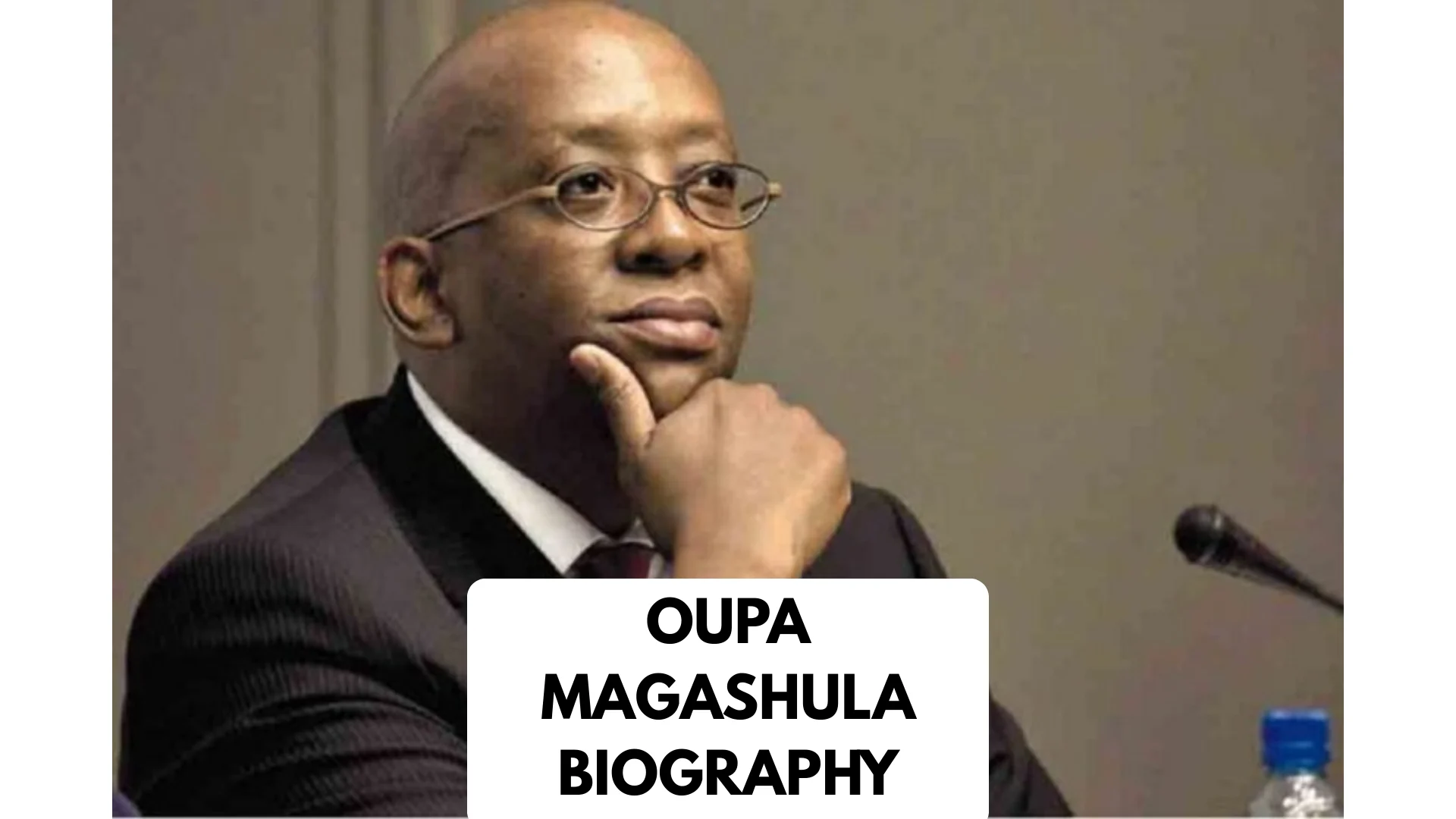
Oupa Magashula was a prominent South African public servant and business executive best known for his time as Commissioner of the South African Revenue Service (SARS).
Over a long career that spanned both the public and private sectors, Magashula held senior roles at major companies and played a visible role in continental tax-administration cooperation.
His appointment and later resignation from SARS drew national attention and helped shape debates about governance in state institutions.
Early life and education
Detailed public records on Magashula’s childhood are limited in mainstream coverage, but his professional background shows a strong academic and technical foundation. He holds a Bachelor of Science degree (reported in profiles of his career) and early work experience that included trade union activity and positions that combined technical and human-resource responsibilities. Over time he moved into leadership roles in major South African companies, laying the groundwork for his later appointment to head SARS.
Private-sector career
Before joining SARS, Magashula served in senior positions across well-known South African enterprises. Public records and company profiles indicate he worked at Telkom and South African Breweries (SAB)—roles that gave him experience in corporate governance, human resources and strategy. After leaving SARS he was also reported to have been involved in private ventures, including investments and board roles in technology and electronics companies. These private-sector roles reinforced his reputation as a disciplined executive with broad experience.
Appointment as SARS Commissioner
Magashula was appointed Commissioner of the South African Revenue Service in 2009. His appointment followed a long career in leadership and was received with cautious optimism by observers who hoped his corporate experience would help strengthen SARS’ administration and revenue collection. During his tenure he was involved in strategic decisions shaping tax administration and compliance initiatives within South Africa.
Role on the continental stage
Beyond South Africa, Magashula was active on the African stage — notably with the African Tax Administration Forum (ATAF), where he served in leadership capacities aimed at improving tax administration across the continent. He was recognized by international tax and governance forums for efforts to promote collaboration, training and the sharing of best practices among African tax authorities. These efforts form an important part of his legacy in public finance on the continent.
The scandal and resignation
Magashula’s time at SARS ended amid controversy. In 2013 he resigned after allegations surfaced about irregular recruitment and a leaked recording that raised questions about governance practices in SARS’ leadership. The resignation was formally announced by government channels and marked a dramatic and much-covered moment in his career, generating broad media attention and debate about standards in public appointments.
Later life and business activities
Following his resignation from SARS, Magashula returned to private-sector pursuits and board-level roles. He was involved in business ventures including an interest in locally produced mobile devices and served on boards where his experience in governance and administration was useful. Over time he continued to be referenced as an experienced executive in business and tax-administration circles.
Death and immediate reactions
According to family statements and multiple news outlets, Oupa Magashula passed away after a prolonged illness at age 63. Major South African news organizations reported his death and summarized his public career, noting both his service at SARS and his roles in private industry. The news prompted tributes and reflections on his complex legacy—acknowledging his service while also recalling the controversy that ended his tenure at SARS.
Assessment of legacy
Magashula’s legacy is mixed. Supporters note his efforts to professionalize parts of SARS and his leadership in continental tax-administration initiatives. Critics point to the governance failures that led to his resignation. Taken together, his career highlights the challenges of leading large public institutions in a politically charged environment and the blurred lines leaders sometimes face when moving between public office and private enterprise.
FAQs
Who was Oupa Magashula?
Oupa Magashula was a South African public servant and business executive who served as Commissioner of the South African Revenue Service (SARS) from 2009 until his resignation in 2013.
When did Oupa Magashula die?
News reports and family statements indicate he died in late 2025 after an extended illness; multiple outlets reported the passing.
Why did Oupa Magashula resign from SARS?
Magashula resigned after allegations related to irregular recruitment practices and a leaked recording that raised ethical and governance questions. The resignation was announced by the finance ministry and widely covered in media.
What roles did he hold before SARS?
Before SARS he held senior roles at companies such as Telkom and South African Breweries, and later served on corporate boards and business ventures.
What was his contribution to tax administration in Africa?
Magashula was active in the African Tax Administration Forum (ATAF) and other continental fora, promoting skills development and collaborative tax administration among African countries.
Conclusion
Oupa Magashula was a significant — if controversial — figure in South Africa’s public-administration landscape. His career reflects both the opportunities and pitfalls faced by leaders who cross between corporate and public service spheres. Recognized for his work on continental tax issues and his corporate leadership, he will also be remembered for the governance questions that ended his time at SARS. His death prompted national reflection on a career that left a complex imprint on public finance and institutional governance in South Africa.

Ace Magashule Biography: Politics, Education, Tribe, Net Worth, Age
William Ruto Biography: Politics, Tribe, Parents, Education, Wife, Age & Net Worth 2025

Lieutenant-General Nhlanhla Mkhwanazi Biography: Career, Net Worth, Age, Wife
About The Author
