PLO Lumumba Biography: Education, Net Worth, Age, Religion, Books
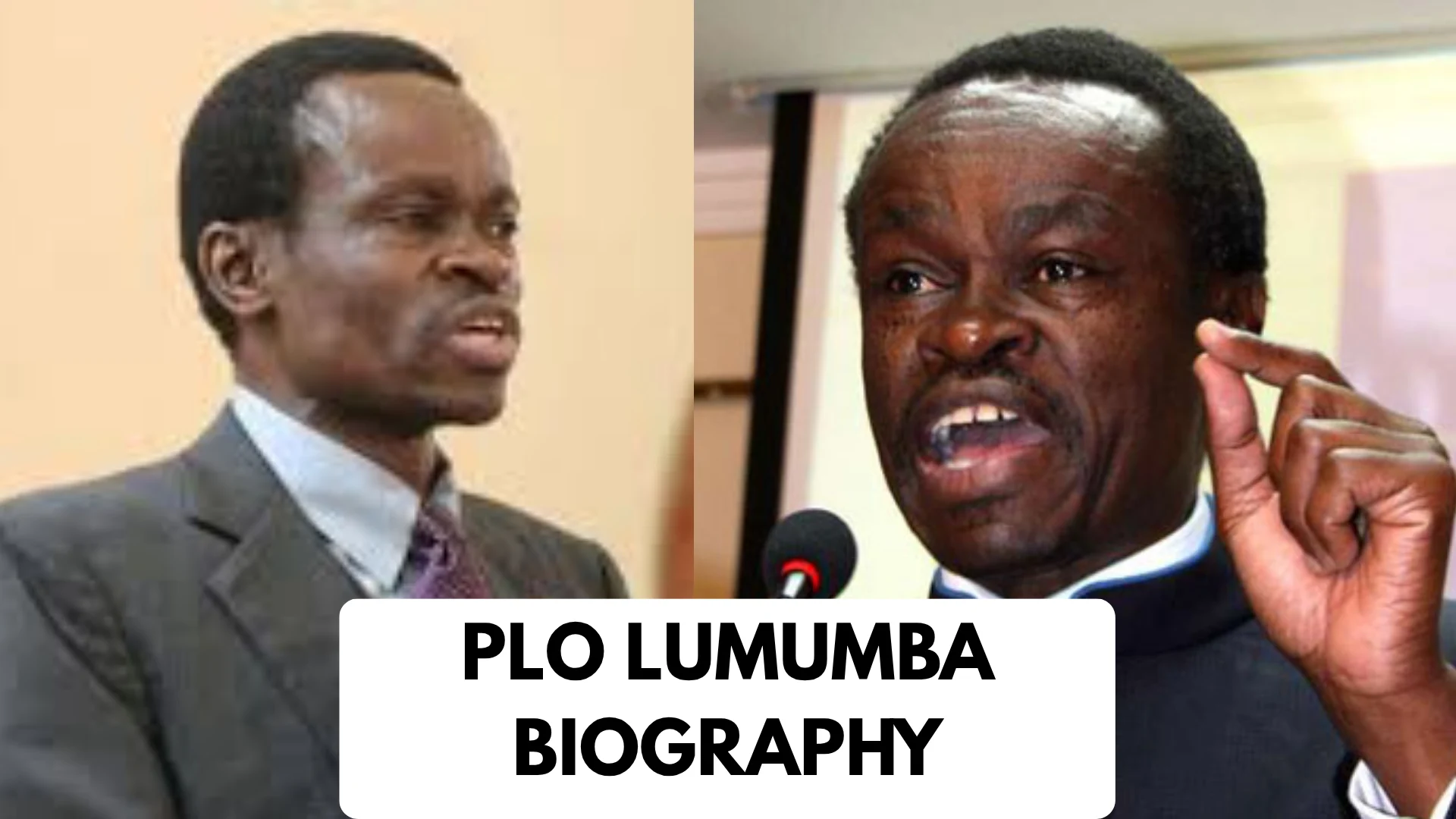
Professor P.L.O. Lumumba is one of Africa’s most recognisable public intellectuals: a lawyer, teacher, anti-corruption campaigner and vocal Pan-Africanist.
Known for his forceful speeches and insistence on moral and political accountability, Lumumba has played several high-profile roles in Kenya’s legal and civic landscape.
This biography traces his early life, education, career highlights, public ideas, controversies and lasting influence.
Early life and education
Patrick Loch Otieno (P.L.O.) Lumumba was born on July 17, 1962, in Kenya. He grew up in the Lake Victoria region and later in Nairobi, experiences that shaped his political sensibilities and commitment to social justice. Lumumba trained in law at the University of Nairobi and Kenya School of Law, and went on to earn advanced legal qualifications — including doctoral work abroad — which furnished his academic credentials and international outlook.
Legal and academic career
Lumumba’s professional life spans practice, teaching and institutional leadership. He has taught law at the University of Nairobi and elsewhere, and he served as the founding Dean of the Kabarak University School of Law. His academic contributions include writing on constitutional law, criminal procedure and governance. Lumumba’s combination of courtroom experience and academic credentials made him a natural bridge between legal education and public engagement.
Public roles and leadership posts
Director, Kenya Anti-Corruption Commission (KACC)
In July 2010 Lumumba was appointed director of the Kenya Anti-Corruption Commission, a brief but highly visible tenure during which he pledged vigorous action against graft. The KACC role put him at the center of public debates about corruption, political will, and institutional reform in Kenya. His departure followed structural changes to Kenya’s anti-corruption architecture in 2011.
Director, Kenya School of Law
In March 2014 Lumumba became Director and CEO of the Kenya School of Law, the institution responsible for practical legal training for Kenyan advocates. During his time there he emphasized professional ethics, rigorous training and discipline for new lawyers; he stepped down after serving his term.
Other positions and initiatives
Beyond those posts, Lumumba has been Secretary of the Constitution of Kenya Review Commission, a founding dean and faculty member at university law schools, and the founder of civic organisations focused on leadership and anti-corruption. He has also acted as a consultant, speaker and organizer across Africa.
Ideas, themes and public voice
- Pan-Africanism: He frequently calls for African solutions to African problems and cites historical leaders like Kwame Nkrumah and Patrice Lumumba as inspirations.
- Accountability and political hygiene: Whether in speeches or institutional roles, Lumumba emphasizes the moral and institutional fight against corruption and impunity.
- Youth empowerment and leadership: He speaks often to young audiences about courage, integrity and making political and professional choices that change society.
His oratory — direct, emotional and sometimes confrontational — has made him influential and controversial in equal measure.
Writings and media
Lumumba has written and lectured widely on constitutional reform, governance and leadership. He is the author of books and papers on legal topics and regularly appears at conferences, public forums and on broadcast media. In recent years he has also been visible through televised programs and recorded lectures that extend his reach beyond academic audiences.
Controversies and criticism
Lumumba’s outspoken style has attracted critics as well as supporters. On some occasions his remarks — especially on cultural and social issues — have provoked public debate and protest. For example, his acceptance of speaking engagements or media slots has been contested by critics who point to his views on sensitive social topics. As a public intellectual who refuses to soften his positions to avoid conflict, Lumumba’s career includes both praise for moral courage and criticism for perceived insensitivities.
Honors and influence
Throughout his career Lumumba has received invitations to deliver named lectures, been recognized by academic and civic bodies, and become a symbol for a certain brand of Pan-African activism that combines scholarship with public oratory. His students, readers and listeners often cite his ability to connect legal concepts to moral and civic responsibilities.
Legacy: what Lumumba represents today
P.L.O. Lumumba’s legacy is less about a single office or reform and more about a sustained public presence that insists on ethical leadership, the importance of civic education and the possibility of African self-determination. Whether one agrees with all his positions or not, Lumumba has succeeded in keeping critical civic questions in the public eye: how to train ethical lawyers, how to hold leaders accountable, and how to inspire a generation to insist on decent governance.
FAQs (Frequently Asked Questions)
What does P.L.O. stand for?
His full name is Patrick Loch Otieno Lumumba; he is widely known by the initials P.L.O. Lumumba.
When and where was he born?
He was born on July 17, 1962, in Kenya and raised partly around Lake Victoria and Nairobi.
What are his most notable roles?
He served as Director of the Kenya Anti-Corruption Commission (2010–2011) and Director/CEO of the Kenya School of Law (2014–2018), among other academic and civic leadership roles.
Is Lumumba active in media?
Yes — he frequently appears at lectures and on broadcasts; in recent years he has hosted and participated in televised programs and public forums.
What are common criticisms of Lumumba?
Critics point to his sometimes polarising rhetoric and to certain public positions that have sparked protests and debate; supporters argue his frankness is necessary for meaningful reform.
Conclusion
P.L.O. Lumumba remains a central figure in conversations about law, leadership and governance in Kenya and across Africa. His career — spanning academia, institutional leadership and public advocacy — highlights the tensions and possibilities of trying to reform systems from both inside and outside. For students of law, civic activists and any citizen interested in accountability and African renewal, Lumumba’s life is a study in the power and limits of moral conviction in public life.

Lieutenant-General Nhlanhla Mkhwanazi Biography: Career, Net Worth, Age, Wife

Prince Mashele Biography: Education, Tribe, Age, Net Worth, Career

Nancy Pelosi Biography: Politics, Husband, Children, Age, Net Worth, Wikipedia
About The Author
