Salman Rushdie Biography: Religion, Wikipedia, Wife, Age, Net Worth
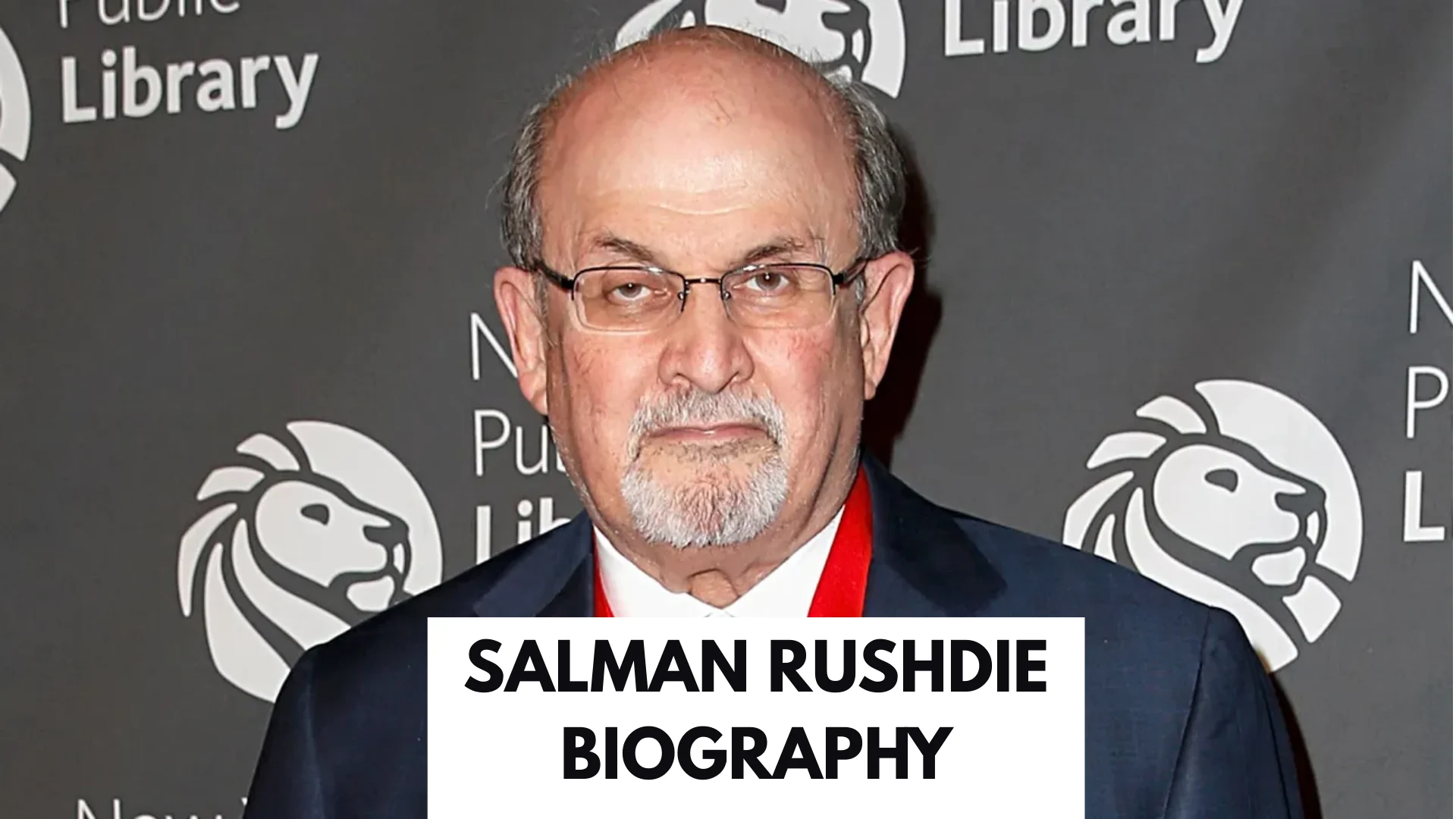
Salman Rushdie is one of the most influential and controversial novelists of the late 20th and early 21st centuries.
Born in Bombay (now Mumbai) in 1947, Rushdie’s vivid, imaginative prose—steeped in magical realism, history and political satire—has earned him worldwide fame, major literary prizes, and also intense global controversy.
His life story spans continents, cultures and a career that has blended fiction, nonfiction, and public intellectual work.
Early life and education
Ahmed Salman Rushdie was born on 19 June 1947 in Bombay into a Kashmiri Muslim family. He was raised in a relatively prosperous and literate household and attended elite schools, later studying history at the University of Cambridge. His early experiences in India, and later in England, shaped his interest in identity, migration and postcolonial politics—recurring themes in his fiction.
From advertising copywriter to novelist
After university, Rushdie worked in London as an advertising copywriter, an experience that sharpened his ear for language and satire. He published his first novel, Grimus (1975), but his breakthrough came with Midnight’s Children (1981), an ambitious, allegorical novel about India’s transition to independence and partition. Midnight’s Children won the Booker Prize and later the Booker of Bookers—cementing Rushdie’s status as a leading voice in contemporary literature.
Major works and style
Rushdie’s novels mix historical sweep with lyrical exuberance. Notable books include:
- Midnight’s Children (1981) — Booker Prize winner, hailed for its imaginative retelling of India’s twentieth-century history.
- Shame (1983) — a dark political fable centered on Pakistan.
- The Satanic Verses (1988) — his most controversial book, which drew accusations of blasphemy from some Muslim groups and unleashed a major global crisis.
- Later works such as The Moor’s Last Sigh, Shalimar the Clown, The Golden House and Victory City.
Rushdie’s style is marked by magical realism, plural voices and narrative risk-taking. He pulls from Indian myth, English literary forms and global history to create novels that are both playful and politically sharp.
The Satanic Verses controversy and the fatwa
When The Satanic Verses was published in 1988, parts of the book were taken as offensive by some Muslim clerics. In 1989, Iran’s Supreme Leader Ayatollah Khomeini issued a fatwa calling for Rushdie’s death, a decree that forced Rushdie into hiding under police protection for years and triggered international debates about freedom of expression, religion, and the limits of literary license. The episode altered Rushdie’s life and career immeasurably and has continued to color public discussion about his work and safety.
Honors, public life, and positions
Rushdie has been active beyond fiction: he served as President of PEN American Center, helped found literary festivals, and has lectured and taught in universities. He received a knighthood in 2007 for services to literature—an honor that drew mixed reactions. Throughout his career he has been an outspoken advocate for free expression and secularism.
The 2022 attack and recovery
On August 12, 2022, Rushdie was attacked onstage while preparing to give a lecture in Chautauqua, New York. The assault left him with severe injuries, including the loss of sight in one eye and injuries to his liver and other organs. He spent months recovering and later documented his experience and reflections in a memoir. The attacker was prosecuted and sentenced. Rushdie’s recovery and subsequent writings have reinforced his public presence and commitment to speaking about literature, violence and resilience.
Later work and continued influence
Despite the threats and the 2022 attack, Rushdie has continued to write and publish. In recent years he released a memoir chronicling his recovery and reflections, and has been recognized with literary awards and lifetime achievement honors for both his fiction and his defense of free expression. His work remains required reading in many university courses on postcolonial literature and contemporary fiction.
Personal life
Rushdie has had a complex personal life, with multiple marriages and children. He has lived in Europe and the United States and later became a U.S. citizen while retaining strong cultural ties to India and Britain. His public persona blends literary celebrity, activism and survivorhood. :
FAQs
When and where was Salman Rushdie born?
Salman Rushdie was born on 19 June 1947 in Bombay (now Mumbai), India.
What is Salman Rushdie’s most famous book?
Midnight’s Children (1981) is widely celebrated and won the Booker Prize; The Satanic Verses (1988) is his most controversial and high-profile book.
Why was there a fatwa against Rushdie?
Certain Muslim clerics considered passages in The Satanic Verses insulting to Islam, and in 1989 Ayatollah Khomeini issued a fatwa calling for Rushdie’s death; the incident sparked international disputes over free speech and religious sensitivity.
What happened to Salman Rushdie in 2022?
Rushdie was attacked onstage in Chautauqua, New York on August 12, 2022, suffering serious injuries; he later recovered enough to continue writing and speaking.
Has Rushdie received major awards?
Yes — among others, he won the Booker Prize for Midnight’s Children and was knighted in 2007 for services to literature.
Conclusion
Salman Rushdie’s life is a study in contrasts: dazzling literary invention and brutal real-world controversy; international recognition and mortal threats; imaginative risk and public duty. From his Bombay upbringing to Cambridge education, from Midnight’s Children’s Booker triumph to the worldwide fallout over The Satanic Verses, to surviving a violent attack in 2022—Rushdie’s career reflects the power of storytelling and the costs that can accompany it. Whether celebrated or condemned, Rushdie changed how many readers imagine history, identity, and the possibilities of language.

Orson Welles Biography: Wikipedia, Cause of Death, Net Worth, Children, Films

Hanan Shah Singer Biography: Career, Songs, Net Worth, Age, Wikipedia, Religion

Bonko Khoza Biography: Age, Career, Movies, Net Worth, Education
About The Author
